




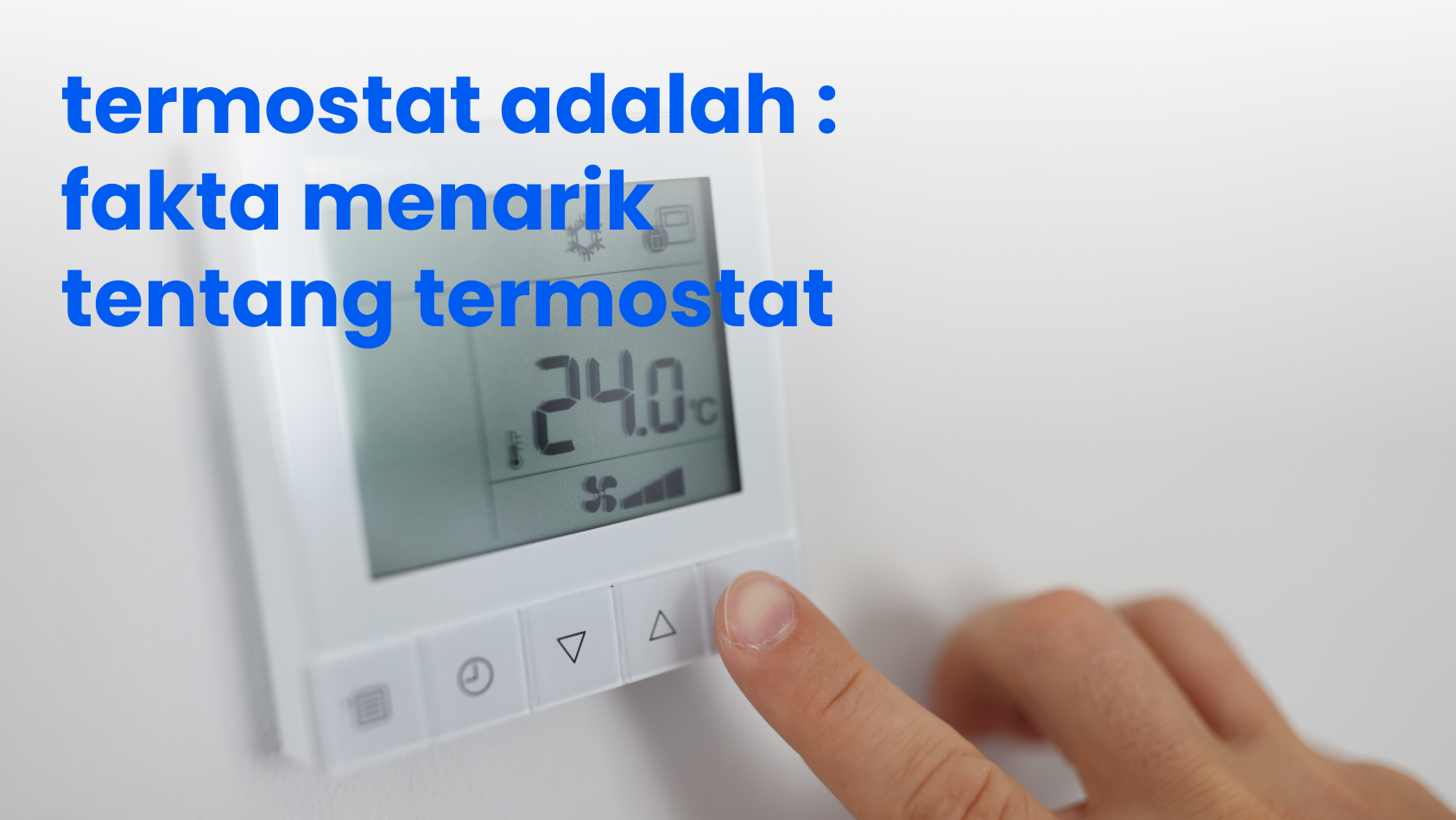
Have you ever felt the temperature at home suddenly become too hot or too cold? This everyday experience often forces us to repeatedly adjust the AC or heater manually. However, if we understand how a thermostat works, there is actually a smart solution to this problem. The primary function of a thermostat is to keep room temperature stable and efficient automatically, so residents do not need to bother with manual adjustments. In a smart home system, the main function of a thermostat is crucial for ensuring the temperature is always at the ideal level, supporting energy efficiency, and enhancing the safety and comfort of residents. This automatic operation plays a role in regulating temperature consistently, keeping both devices and residents safe and comfortable. As such, the function of a thermostat in a residence not only provides comfort benefits, but also energy efficiency and protection of devices from the risk of overheating.
Key Takeaways:
- What a thermostat is and why it is important
- How a thermostat works to maintain the ideal home temperature
- The various types of thermostats, from manual to smart
- The direct benefits of using a thermostat for comfort and efficiency
- Simple tips for maintaining a thermostat so it continues to function optimally
What Is a Thermostat and Why Is It Important?
Simply put, a thermostat is a device that functions as an automatic temperature regulator for a heating or cooling system (HVAC). Its main task is to read the current room temperature, compare it with the desired temperature (known as the setpoint), and then instruct the system to turn on or off in order to reach that ideal temperature. The function of a thermostat is important for keeping room temperature stable and ensuring it always remains at the optimal level according to need.
A thermostat also helps achieve the desired temperature quickly and efficiently, so that both comfort and energy efficiency can be maximized.
The relationship between efficiency and temperature control is actually more complex than we might think. Many people do not realize that the basic concept of the thermostat has existed since the early 19th century for industrial needs. According to historical research in technology, one of its pioneers was a Scottish chemist, Andrew Ure, who in 1830 patented a bimetallic thermostat to maintain stable temperatures in textile factories. Today, this once-industrial device has evolved into a core component of the modern smart home ecosystem. Its main benefits are clear: providing comfort, improving energy efficiency, and delivering far more stable temperature control within a residence.
How a Thermostat Works at Home
If we break down how it works into smaller parts, the process is logical. Inside every thermostat, there are core components working in synergy to maintain comfort.
The first is the temperature sensor, which continuously detects the surrounding air temperature and the accuracy of this sensor is crucial. The second is the setpoint, which is the temperature limit that can be adjusted. For example, setting the AC to 25°C this figure becomes the thermostat's target. The third is the automatic response: when the sensor detects that the room temperature has exceeded or fallen below the setpoint, the thermostat sends an electrical signal to activate or deactivate the cooling or heating system. When the room temperature exceeds the setpoint, the thermostat opens the circuit to activate the cooling system. When the temperature has dropped and reached the setpoint, the thermostat closes the circuit again. This process of opening and closing the circuit allows the cooling system to operate until the room temperature falls to the desired level.
In practice, this means you no longer need to worry about the room becoming uncomfortable. In a tropical home, the ideal temperature for comfort and energy efficiency is typically in the range of 24–26°C. Setting the thermostat within this range can help the system operate more efficiently.
Types of Thermostats and How to Choose
As technology has advanced, the types of thermostats have evolved from simple devices into sophisticated tools. Understanding the differences between types is important for making a clearer and more informed choice.
Manual Thermostat: The most basic type, featuring a rotary or sliding dial. Its operation is simple but it has no scheduling features. Some older types of manual thermostats can still be found in traditional heating or cooling systems.
Digital (Programmable) Thermostat: Features a digital screen and allows you to set different temperature schedules for different times of the day or week.
Smart Thermostat: This is the most advanced version. Connected to the internet (Wi-Fi), it can be controlled via a smartphone app, and is often equipped with artificial intelligence (AI) to learn your habits and automatically optimize energy usage.
When choosing a thermostat, there are three main things to consider. First, ensure its compatibility with the AC or heating system in your home. Second, choose a device with a precise sensor. Third, where possible, prioritize a smart thermostat that has verified energy-saving features.
Direct Benefits for Residents
The real impact of using a modern thermostat particularly a smart thermostat has a bearing on quality of life and household expenditure.
Automatic Comfort: Room temperature remains stable according to your preferences without the need for constant manual adjustment.
Energy Efficiency: This is the primary advantage. According to research from the U.S. Department of Energy, the use of an ENERGY STAR-verified smart thermostat can help save approximately 8% of total heating and cooling costs each year. These savings occur because smart thermostats are able to avoid energy waste when you are not at home or when you are sleeping.
Health and Productivity: An optimal room temperature has been shown to improve sleep quality at night and maintain productivity when working from home.
Quick Maintenance Tips
For a thermostat to function accurately and last long, routine maintenance is required. The steps that can be applied are fairly simple.
Clean it regularly, as dust and dirt that accumulates on the sensor can interfere with the accuracy of temperature readings. Avoid installing it near heat sources do not place the thermostat near windows with direct sunlight, air vents, or electronic equipment that emits heat. Use energy-saving modes by making use of the "away" or "eco" mode feature when you are traveling for an extended period. Update the software for smart thermostats, always ensure the firmware is kept up to date to access the latest features and security improvements.
Signs of Thermostat Damage
A car thermostat plays a vital role in keeping the engine temperature stable and ensuring the cooling system operates optimally. However, over time and with use, a thermostat can become damaged, affecting engine performance and fuel efficiency. Here are some signs of thermostat damage to watch out for.
Unstable engine temperature: If your car's engine temperature frequently fluctuates abnormally, this could be an indication that the thermostat is unable to keep the engine temperature at its ideal point. Temperatures that are too high or too low can cause the engine to operate inefficiently and risk further damage.
Coolant leaking: Coolant leaks in a car's cooling system are often caused by a malfunctioning thermostat. When the thermostat is damaged, the flow of coolant can be disrupted, causing excessive pressure and ultimately leading to leaks in certain parts of the system.
Engine overheating: One of the most obvious signs of a damaged thermostat is an engine that overheats easily. A thermostat stuck in the closed position will impede the circulation of coolant, preventing the engine from cooling itself optimally and causing the engine temperature to spike above the normal limit.
Increased fuel consumption: A thermostat that is not functioning properly can cause the engine to work harder to reach the appropriate operating temperature. As a result, fuel consumption becomes more wasteful because the engine is not at an efficient working temperature.
Poor coolant circulation: If you find that coolant is not flowing properly throughout the system, the thermostat may be damaged. Poor circulation will disrupt the cooling process and potentially cause damage to other engine components.
If you notice any of the above signs in your car, it is best to immediately have the thermostat and cooling system inspected. Regular maintenance and replacement of a damaged thermostat are important to prevent the risk of more severe engine damage, keep the engine temperature stable, and ensure the car remains safe and efficient to operate.
A Smart Step Toward a Smart and Efficient Home
Want to know how smart home technology can help you live more comfortably and save energy? Learn more about how Balé Community delivers smart solutions that support residential management. Read the full explanation here to find out more about innovations from Balé Community.
Frequently Asked Questions
What is the main difference between a digital thermostat and a smart thermostat?
A digital thermostat allows you to set temperature schedules manually, while a smart thermostat is connected to the internet, can be controlled remotely via an app, and can often learn habitual patterns to automatically adjust temperature for better energy efficiency.
Where is the ideal location to install a thermostat at home?
The ideal location is on an interior wall, approximately 1.5 meters from the floor, and in a frequently used area such as the living room. Avoid locations exposed to direct sunlight, near doors or windows, or above air vents, as these can cause inaccurate temperature readings.
Are all AC and heating systems compatible with smart thermostats?
Not all systems are compatible, particularly older systems. Before purchasing a smart thermostat, it is important to check the compatibility specifications from the thermostat manufacturer to ensure the device can work properly with the HVAC system you have at home.