




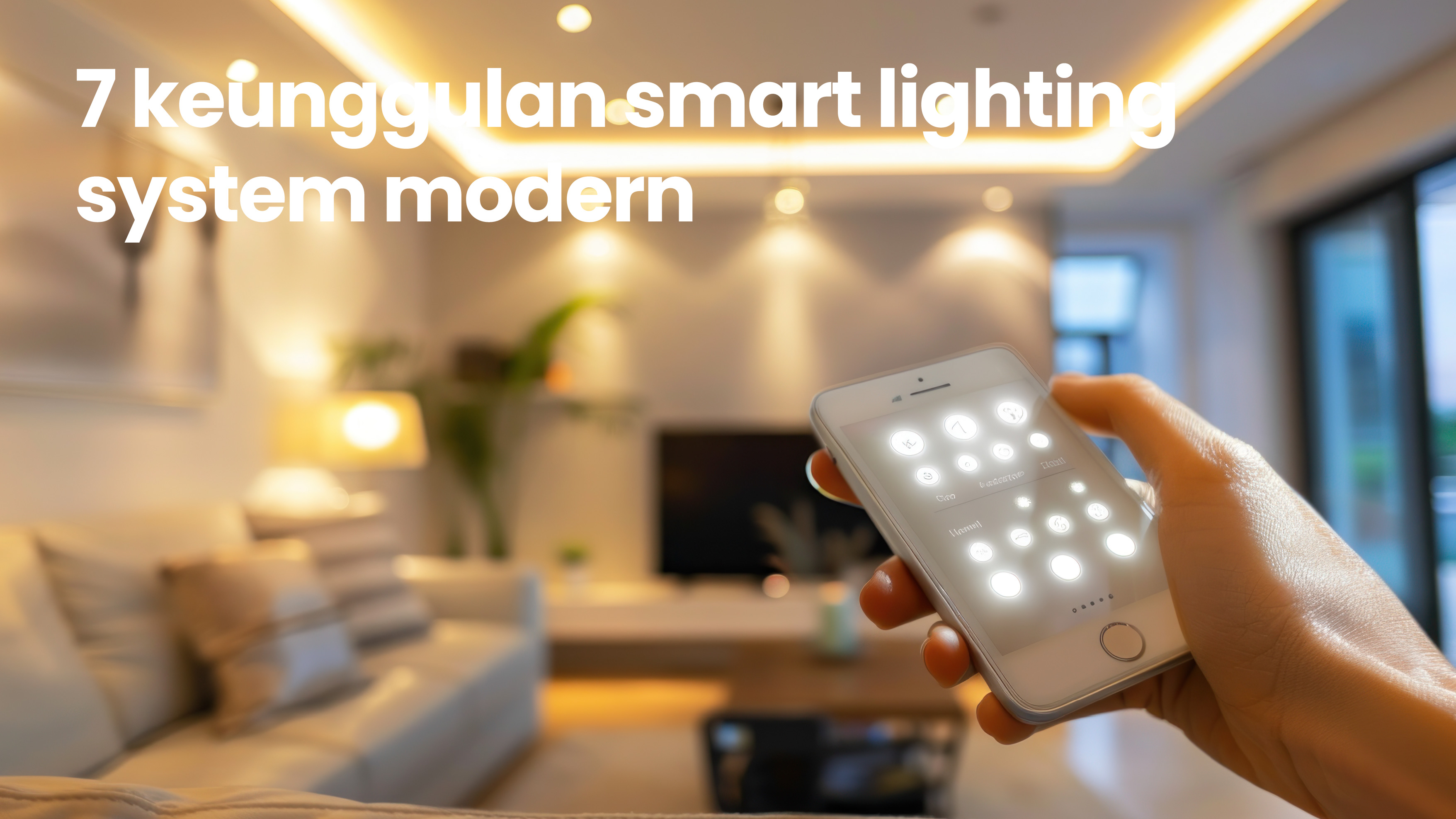
Have you ever come home to find the porch light has been on all day? Or received an electricity bill that feels inflated even though your usage seemed normal? Situations like these happen often and make a home feel rigid and wasteful. This technology is no longer just a luxury, it is a step toward a more efficient and comfortable life.
As part of the residential ecosystem, Balé Community is committed to simplifying residential living through digital innovation that prioritizes comfort, efficiency, and security. Smart lighting is one of its main pillars. Let us review the seven key advantages offered by this smart lighting system, with real benefits that can be felt immediately.
Key Takeaways:
- Measurable and intelligent energy savings
- Easy lighting control from anywhere
- Enhanced security and a greater sense of safety at home
- Lighting that adapts to mood and activity
- Seamless integration with other smart home ecosystems
- Futuristic design that enhances the aesthetic value of a residence
- A long-term investment for property value
Introduction to Smart Lighting Systems
In today's digital era, the need for efficient and intelligent lighting is growing, whether at home, in the office, or in urban environments. Smart Lighting Systems have emerged as a modern solution that combines automation technology with smart lighting. By leveraging the Internet of Things (IoT) and light sensors, this system is capable of detecting environmental conditions and automatically adjusting lighting to suit needs. The result is more efficient energy use, reduced electricity costs, and a more comfortable and safer atmosphere in every room or outdoor area. Beyond residences, smart lighting also plays an important role in creating a more energy-friendly urban environment and supporting a modern lifestyle that values practicality.
Technology Used in Smart Lighting
The advantage of a smart lighting system lies in the sophisticated technology that supports it. The system relies on light sensors to read the intensity of natural light in the surrounding environment, allowing lamps to automatically adjust their brightness level. A controller acts as the brain that regulates the lighting, while also enabling integration with other systems such as security or energy management. All of these devices are connected through a reliable communication network, so users can access and control their lighting from anywhere, whether through a smartphone app or other smart devices. With this combination of technologies, smart lighting is able to deliver optimal, energy-efficient lighting that always meets the user's needs.
1. Measurable and Intelligent Energy Savings
For busy families and cost-conscious millennials, efficiency is key. Smart lighting systems address this need effectively. Unlike conventional lamps, this smart system is equipped with motion sensors, automatic scheduling, and a dimmer that work together to reduce electricity consumption. Imagine the lights in the living room or corridor switching off automatically when no activity is detected.
In practice, this means no more wasted energy. Research from various smart home technology implementations shows that the use of LED-based smart lighting can reduce energy consumption for lighting by up to 50%. These savings come from intelligent algorithms that ensure lights only turn on when needed, at the appropriate brightness level.
2. Easy Control from Anywhere
One of the main advantages of a smart lighting system is the flexibility of control. For the digital native generation, the ability to manage all of the home's lighting from the palm of their hand is a breakthrough. Through a smartphone app or voice commands via virtual assistants such as Google Home and Alexa, you can turn lights on, turn them off, or dim them from anywhere and at any time. It is also worth knowing that there are various types of virtual assistants that can be run from home with attractive earning potential, as explained in more detail in an IDN Times article (24 November 2023).
The scenarios are practical: you can turn on the porch light a few moments before arriving home at night, or make sure all the lights are off while you are already on your way to the office. An intuitive user experience is the primary focus, you do not need to be a technology expert to enjoy the convenience. Choosing an app with a user-friendly interface and multi-device support will help maximize this comfort.
3. Enhanced Security and a Greater Sense of Safety
Smart lighting plays a crucial role in improving residential security, a feature that is particularly beneficial for families with children or senior residents. You can set the lights in the yard or corridor to turn on automatically when sensors detect movement at night. This not only helps illuminate pathways but is also effective in deterring unwanted intruders.
Beyond that, there is a presence simulation feature. When you are traveling or leaving the house empty for an extended period, you can schedule lights in several rooms to turn on and off randomly at night, as if someone were inside.
4. Lighting That Adapts to Mood and Activity
Lighting is not just about brightness and darkness, it is a key element that creates atmosphere and influences mood. Modern smart lighting systems allow you to adjust the color and intensity of light to suit your needs. You can choose a cool, bright white light to boost focus when working or studying, then switch it to a warm, soothing yellow when relaxing in the evening.
The psychological benefits of adaptive lighting have been proven. Studies show that lighting adjusted to the body's circadian rhythm can improve daytime productivity and nighttime sleep quality. You can create different lighting scenarios for various activities, such as "Reading Mode," "Dinner Mode," or "Movie Mode," and activate them with a single touch or voice command.
5. Integration with the Smart Home Ecosystem
The true advantage of smart technology lies in its ability to interconnect. Smart lighting is not a standalone system; it is part of a larger smart home ecosystem. Smart lights can communicate with other devices such as smart locks, smart AC units, temperature sensors, and automatic curtains.
You can create sophisticated automations that simplify your daily routine. For example, when unlocking the front door at night, the lights in the entrance hall and corridor can turn on softly to welcome you home. Or, when activating "Sleep Mode," all lights turn off, the AC adjusts the temperature, and the curtains close simultaneously. It is this integration that creates a truly smart and personal living experience.
6. Futuristic Design and Aesthetic Value
Beyond its technical function, a smart lighting system also offers high aesthetic value. The designs of smart LED lights today are varied, from minimalist to decorative, allowing you to choose the one that best suits your home's interior style. You can use hidden LED strips to create dramatic lighting effects on ceilings or under cabinets, giving rooms a premium and futuristic impression.
With the ability to change color and brightness, the same set of lights can drastically transform the appearance of a room. This provides unlimited flexibility to decorate with light, adjust it for special occasions, or simply change the atmosphere to suit your mood.
7. A Long-Term Investment for Property Value
Adopting smart home technology such as smart lighting is not merely a lifestyle expense, it is a smart investment for the future. Properties equipped with smart infrastructure tend to have higher resale values. For prospective buyers or tenants, features such as energy efficiency, enhanced security, and modern comfort are significant attractions.
A home already integrated with a smart system demonstrates that the property is modern, well-maintained, and ready for the future. In the long run, energy cost savings and low maintenance also add to the investment value of the property.
The Application of Smart Lighting in Various Settings
One of the main advantages of a smart lighting system is the flexibility of its application across various locations. At home, the system helps create a comfortable and personal atmosphere, adjusting the light to suit family activities. In the office, smart lighting supports energy efficiency while improving productivity with optimal working conditions. At the city level, this technology is used to automatically regulate street lighting, enhancing safety and saving energy on a large scale. Meanwhile, in industrial environments, smart lighting helps adjust lighting to production needs, making operations more efficient. As such, smart lighting not only improves quality of life at home, but also contributes to smarter and more energy-efficient urban and industrial environments.
It Is Time to Make Your Home's Lighting Smarter
The seven advantages above demonstrate that smart lighting systems are no longer just a trend, they represent an important evolution in the concept of modern living. From tangible energy savings and limitless control convenience, to enhanced security and the ability to create the perfect atmosphere, smart lighting offers layered benefits that make life easier, safer, and more enjoyable.
Starting from small steps such as replacing a few key bulbs, all the way to building a fully integrated smart home ecosystem, you can begin to feel the difference. Choose a smart lighting solution that suits your needs and preferences so that its benefits can be felt optimally. Learn more about smart residential solutions at BTN Smart Residence and start changing the way you enjoy the comfort of a modern home.
Smart Lighting Support and Development
For a smart lighting system to consistently deliver its best performance, ongoing support and development are essential. This support includes routine maintenance, software updates, and user training to help maximize the available features. On the development side, the addition of new features, integration with other systems, and improvements to sensor and controller capabilities are continuously carried out to make the system increasingly intelligent and responsive. With consistent support and development, smart lighting is not only able to improve efficiency and comfort, but is also ready to adapt to future needs, making lighting at home, in the office, and across cities increasingly effective and innovative.
Frequently Asked Questions
What is the easiest first step to start using smart lighting?
The practical step is to begin by purchasing a few smart bulbs that can be directly installed into existing light fittings. You simply connect them to your Wi-Fi network through the accompanying app, and you can already enjoy the convenience of remote control and changes in color or ambiance.
What is the difference between smart lighting and a regular dimmer?
A regular dimmer only functions to manually adjust the brightness level of the light. A smart lighting system, on the other hand, offers far more than that, you can control it remotely, schedule when the lights should turn on or off, change the color of the light, integrate it with motion sensors or other smart devices, and control it with your voice.
Does the system still work if the home internet connection goes down?
Yes, most systems will continue to function locally. The physical wall switch can still be used to turn lights on or off as normal. However, smart features such as app control from outside the home, voice commands, or cloud-dependent automations will naturally be disrupted until the internet connection is restored.